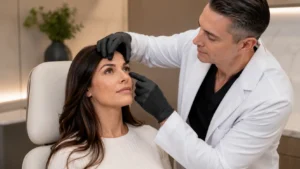
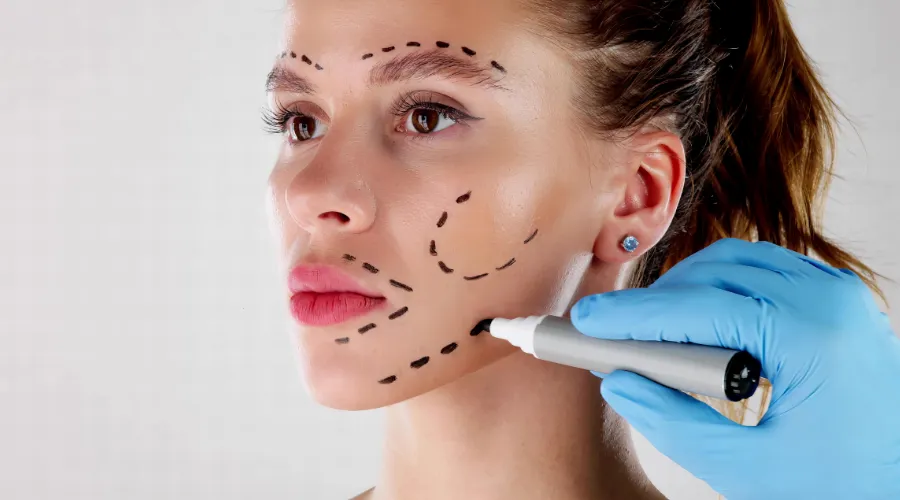
A facelift is one of the most effective cosmetic procedures for reducing visible signs of aging and restoring a more youthful facial appearance. Patients considering facelift surgery often want to know how long recovery takes and what the healing process involves before making their decision. Understanding facelift recovery time in Maryland can help patients feel more prepared and confident before surgery.
Facelift recovery time in Maryland typically ranges from two to four weeks for most visible healing, although final results and subtle improvements may continue developing for several months. At Charm City Plastic Surgery, patients receive personalized recovery plans and detailed post-operative guidance to support safe healing and natural-looking results.
What Is a Facelift?
A facelift, also known as rhytidectomy, is a cosmetic surgical procedure designed to reduce visible signs of aging in the lower face and neck. The procedure can improve sagging skin, deep facial folds, jowls, and loose skin around the jawline and neck.
Many patients choose facelift surgery when non-surgical treatments no longer provide the level of improvement they want. A facelift focuses on tightening underlying facial structures while repositioning tissue for a smoother, more youthful appearance.
Because facelift surgery addresses deeper facial tissues rather than only surface skin, recovery requires time and patience as the body heals.
The First Few Days After a Facelift
The first several days after facelift surgery are usually when swelling and bruising are most noticeable. Patients commonly experience tightness, soreness, swelling, bruising, and mild discomfort during this early recovery stage.
Bandages may be placed around the face and neck immediately after surgery to minimize swelling and support healing tissues. Some patients may also have small drainage tubes temporarily placed to help prevent fluid buildup during the first day or two after surgery.
Most facelift patients return home the same day as their procedure. Rest is important during the first several days, but light walking around the house is usually encouraged to promote healthy circulation.
Patients often notice that their face feels tight or numb during early recovery. These sensations are normal and usually improve gradually as healing progresses.
Swelling and Bruising During Recovery
Swelling and bruising are a normal part of facelift recovery. The majority of swelling is usually most noticeable during the first week and gradually improves over the following weeks.
Bruising often fades significantly within two to three weeks, although mild residual discoloration may occasionally last longer depending on the patient. Swelling can persist for several weeks or even months in smaller amounts before fully resolving.
Because swelling affects facial contours during recovery, patients may not immediately see their final facelift results. It is important to remain patient while the tissues settle and heal.
Keeping the head elevated during sleep and following all post-operative instructions can help minimize swelling and support the healing process.
Returning to Work After a Facelift
One of the most common questions regarding facelift recovery time in Maryland is when patients can safely return to work and social activities. Many patients feel comfortable returning to work within two to three weeks after surgery, especially if their job does not involve physical labor.
Some patients may choose to take additional time away from public-facing work or social events while bruising and swelling continue improving. Makeup is often used after healing progresses enough to help conceal residual bruising.
Recovery timelines vary from person to person depending on healing speed, age, overall health, and the extent of surgery performed.
Patients should avoid rushing back into busy schedules too quickly. Giving the body adequate time to recover can help support better healing and more comfortable recovery overall.
Caring for Facelift Incisions
Facelift incisions are typically placed around the ears and hairline in locations designed to minimize visible scarring once healed. During the first stages of recovery, incisions may appear red, swollen, or slightly firm.
Over time, scars usually fade and soften gradually. Proper incision care plays an important role in supporting healthy healing and minimizing scar visibility.
Patients are usually instructed to keep incision areas clean and avoid excessive touching or strain during recovery. Protecting healing skin from direct sun exposure is also extremely important, as sun exposure can darken scars and affect the healing process.
Most patients find that facelift scars become much less noticeable as recovery progresses.
Exercise and Physical Activity After Surgery
Light walking is typically encouraged shortly after surgery to support circulation and recovery. However, strenuous exercise, bending, and heavy lifting should be avoided during the early stages of healing.
Most patients are instructed to avoid intense workouts for approximately four to six weeks after surgery. Activities that increase blood pressure too quickly may worsen swelling or increase the risk of complications during recovery.
Patients often feel more energetic after the first couple of weeks, but it is still important to ease back into normal activities gradually. Following your surgeon’s guidance regarding physical activity can help support smoother healing.
When Will Final Facelift Results Be Visible?
Many patients notice visible improvements once the initial swelling decreases during the first several weeks after surgery. However, final facelift results continue refining over time as residual swelling resolves and tissues settle naturally.
It may take several months for the face to fully heal and reveal the final outcome. During this period, facial contours continue softening and improving gradually.
One of the reasons facelift surgery remains so popular is because results often look more natural as healing progresses. Patients typically appear refreshed and rejuvenated rather than overly tight or artificial when surgery is performed properly.
Maintaining a healthy lifestyle and good skincare routine can help prolong facelift results for many years.
Factors That Affect Facelift Recovery Time in Maryland
Several factors can influence facelift recovery time in Maryland. Every patient heals differently based on their age, overall health, skin quality, lifestyle habits, and the complexity of surgery performed.
Patients who smoke are often advised to stop smoking before and after surgery because nicotine can interfere with circulation and slow healing. Proper hydration and nutrition can also help support recovery.
Combining facelift surgery with additional procedures such as eyelid surgery, brow lift surgery, or fat transfer may extend overall recovery time as well.
Following all post-operative instructions carefully is one of the most important ways patients can support a safe and successful recovery.
Emotional Recovery After a Facelift
It is normal for patients to experience emotional ups and downs during facelift recovery. Swelling and bruising during the early stages of healing can temporarily make patients feel uncertain about their results.
As swelling decreases and facial contours improve, most patients begin feeling increasingly confident and excited about their appearance. Many report looking more rested, refreshed, and youthful once fully healed.
Patients often appreciate that facelift surgery can restore confidence not only in social situations but also in professional environments where appearance may affect self-esteem.
Allowing yourself patience during recovery is important because healing is a gradual process.
Preparing for Facelift Recovery
Preparing ahead of time can make recovery more comfortable and less stressful. Many patients arrange a comfortable recovery area at home with extra pillows, medications, water, healthy meals, and entertainment easily accessible.
Patients are usually encouraged to avoid scheduling major social events shortly after surgery since visible swelling and bruising are common during early recovery.
Loose, comfortable clothing that does not need to be pulled over the head can also help reduce strain on healing areas after surgery.
Planning ahead allows patients to focus more fully on rest and healing during the recovery process.
Choosing the Right Maryland Plastic Surgeon
Choosing an experienced plastic surgeon is one of the most important decisions when considering facelift surgery. Proper surgical technique, individualized treatment planning, and attentive post-operative care all contribute to both safety and cosmetic outcomes.
At Charm City Plastic Surgery, patients receive personalized facelift treatment plans designed to create natural-looking facial rejuvenation while prioritizing patient safety and recovery support.
Understanding facelift recovery time in Maryland helps patients develop realistic expectations and prepare confidently for surgery. With proper care, patience, and guidance from a qualified surgeon, facelift surgery can provide long-lasting improvements in facial appearance and self-confidence.
If you are considering facelift surgery, contact Charm City Plastic Surgery today to schedule a consultation and learn more about your facial rejuvenation options.